
Yaounde security conference highlights regional peacekeeping cooperation
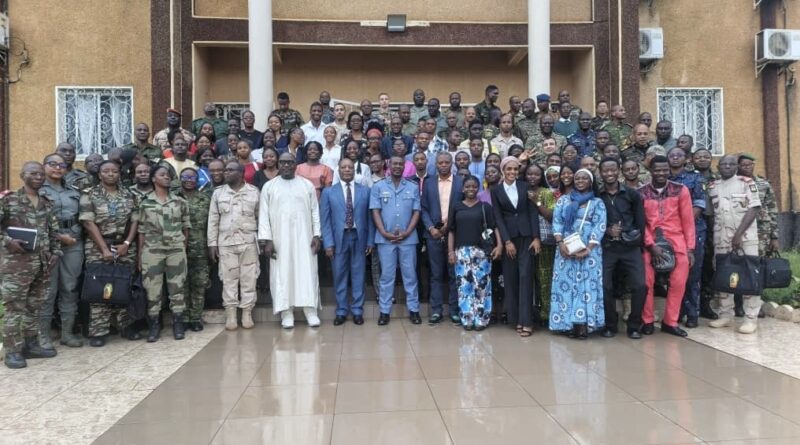
The International War College of Yaounde has called for stronger regional cooperation and improved coordination among armed forces in addressing ongoing security challenges affecting stability in Central Africa. The message was delivered during a press conference held on Thursday, April 9, 2026, in the Simbock neighborhood in Yaounde, as part of the Multinational Joint Peacekeeping Exercise.
This second phase of the initiative followed an earlier preparatory session held at the Advanced School of Mass Communication (ASMAC) in Ngoa-Ekele, where journalism students conducted structured interview training sessions with security personnel from the International War College. That initial exchange laid the groundwork for improved communication between military actors and media trainees before the official conference.
In Simbock, senior military officials and defense experts engaged in discussions on peacekeeping operations, conflict management, and the evolving security landscape in the region. The exercise forms part of broader efforts to strengthen joint readiness and cooperation among participating forces involved in peace support operations.
Military generals present at the conference provided briefings on current conflict dynamics and highlighted operational challenges faced in maintaining stability in volatile areas. They emphasized the importance of intelligence sharing, coordinated military responses, and enhanced joint training frameworks to address transnational security threats more effectively.
The session, supervised by Professor François Marc Modzom, Director of ASMAC, alongside coordinator Alain Mouange and Head of the Radio Department Nana Blaise, also reflected the growing link between military institutions and journalism training structures in shaping how security issues are understood and communicated to the public.
Collaboration between peace, security and journalism
Journalism students from ASMAC were present during the conference, observing and engaging with military communication practices as part of their academic exposure to defense reporting. Their participation underscored the importance of preparing future media professionals to accurately report on complex security and peacekeeping operations.
The discussions held during the conference also echo the broader reality of ongoing peacekeeping operations in Central Africa, where regional armed forces continue to collaborate in addressing instability, cross-border conflicts, and emerging security threats. These missions increasingly rely on joint training, intelligence sharing, and coordinated response strategies to maintain stability across participating states, highlighting the strategic importance of sustained cooperation between military institutions in the region.
Authorities at the event stressed that sustainable peace in Central Africa depends not only on military capacity but also on strong institutional collaboration between defense forces, academic institutions, and communication professionals.The exercise concluded with a renewed commitment from participating institutions to deepen cooperation and sustain dialogue on regional peacekeeping and security governance.